Choosing a mobile POS that survives a real lunch rush
What to actually weigh when picking POS hardware and payment processing for a food truck, from offline mode to card reader durability.
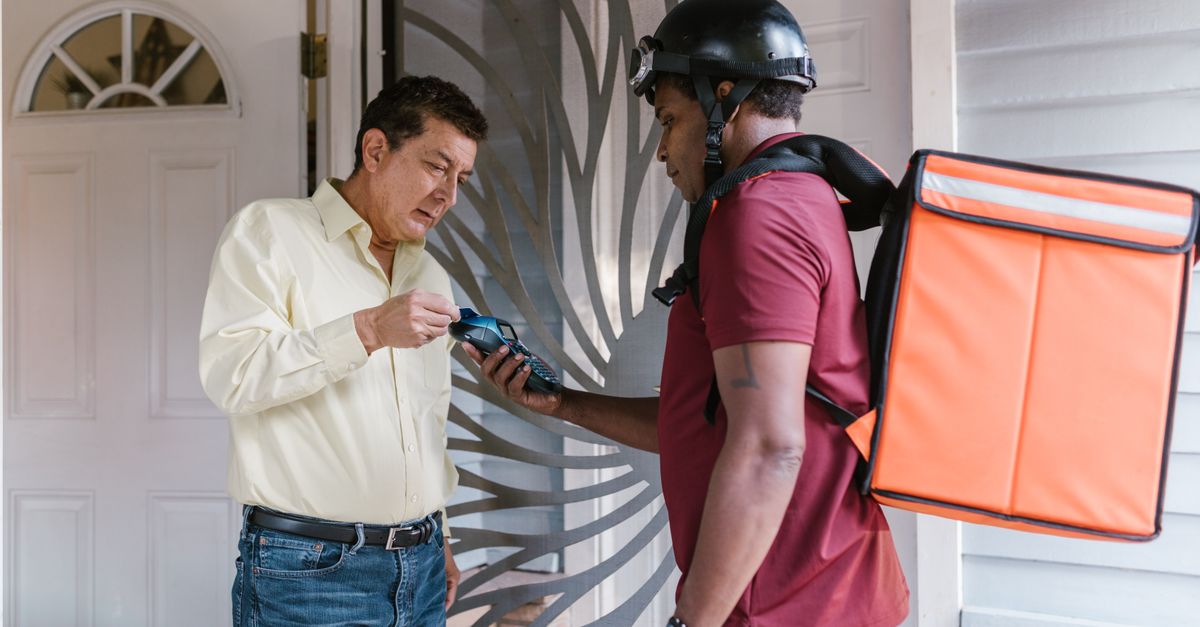 RDNE Stock project · Pexels
A food truck POS lives a harder life than a countertop terminal in a restaurant. It gets bumped, dropped, rained on, and used with greasy hands during a rush, and it needs to keep taking payments even when the truck is parked somewhere with a weak cell signal. Picking a system based on a features list alone misses the questions that actually matter once you are three trucks deep into a festival lineup.
Offline mode is not optional
Ask directly whether a system can take card payments with no signal and sync the transactions once connectivity returns. Festivals, fairgrounds, and rural event lots are common gaps in cell coverage, and a POS that simply stops working in those conditions will cost you real sales during your busiest events, not your slowest ones. Test this yourself before committing rather than trusting a sales pitch, since offline reliability varies more between providers than most comparison charts suggest.
Battery life and charging matter just as much as software. A handheld terminal that dies halfway through a four hour event forces you back to a backup card reader or, worse, cash only, right when the line is longest. Look for hardware built for a full shift on one charge, with an easy way to swap in a charged unit if you run a longer event.
Match the system to your order flow, not just your budget
A single window truck taking orders and payment at the same point often does fine with a simple handheld reader and a basic app. A truck running a separate order line and pickup window benefits more from a system built for ticket routing, so the kitchen sees orders the moment they are placed rather than waiting on a runner. Buying more system than your order flow needs adds cost and training time without a real payoff.
Card processing fees add up fast on thin food truck margins, so compare the full fee structure, not just the headline rate. Some providers charge a flat percentage per swipe, others tier fees by card type, and a few bundle hardware costs into a slightly higher rate. Run your average ticket size and monthly volume through each provider’s actual fee schedule before deciding, since the cheapest looking rate on the website is not always the cheapest in practice for your ticket size.
Plan for the data you will actually use later
A good POS gives you more than a payment rail. Sales by item, sales by hour, and sales by location are the numbers that tell you which stops are worth the drive and which menu items to cut, so confirm the reporting is easy to pull without a spreadsheet export every time. This reporting connects directly to the menu decisions covered in the pricing and menu engineering guide, since you need real sales data to know which items are actually earning their spot on the board.
Whatever system you choose, run it through a real service before a big event, not just a countertop test at home. A POS that works fine standing still can behave differently once it is bolted into a moving truck, running off inverter power, and handling a hundred orders in two hours.
This guide is general information for food truck owners, not legal or financial advice. Some outbound links may be affiliate or sponsored links, which are disclosed and never affect our recommendations.
Get guides like this weekly
Join The Food Truck Pro Weekly. One useful email a week, free.
Subscribe free